Qu’est-ce que le trading CFD et comment fonctionne-t-il?

Signification du CFD: Qu’est-ce qu’un CFD?

Le trading CFD, ou “Contrats pour Différence”, est une forme populaire de trading dérivé qui permet aux participants du marché de spéculer sur les mouvements de prix sans posséder l’actif sous-jacent. Plutôt que d’acheter ou de vendre un actif physique comme une action ou une matière première, les traders concluent un contrat avec un courtier. Ce contrat reflète la différence de prix entre les positions d’ouverture et de fermeture. En résumé, le trading CFD se concentre sur la réalisation de bénéfices grâce aux variations de prix, que le marché monte ou descende. Cette flexibilité fait des CFD un choix privilégié pour les traders à la recherche d’opportunités sur les marchés mondiaux.

Comment Fonctionne le Trading CFD?

Le trading CFD permet aux traders de “prendre une position longue” (acheter) s’ils prévoient que les prix vont augmenter, ou de “prendre une position courte” (vendre) s’ils anticipent une baisse des prix. Les profits ou pertes sont déterminés par la différence entre les prix de l’actif au moment de l’ouverture et de la clôture de la position. De plus, les CFD utilisent l’effet de levier, permettant aux traders de contrôler des positions plus importantes avec une marge initiale plus faible. Bien que l’effet de levier augmente les gains potentiels, il accroît également le risque de pertes importantes.

Prendre une Position Longue ou Courte:

Le trading CFD offre aux traders la possibilité de profiter des marchés haussiers et baissiers. Si un trader anticipe une hausse du prix d’un actif, il peut “prendre une position longue” en achetant un CFD. À l’inverse, si le trader prévoit une baisse des prix, il peut “prendre une position courte” en vendant un CFD. Cette flexibilité rend les CFD particulièrement adaptés pour naviguer dans des conditions de marché variées et pour couvrir d’autres investissements.

Effet de Levier et Marge:

Une caractéristique clé du trading CFD est l’effet de levier, qui permet aux traders de contrôler des positions plus grandes avec un investissement initial plus faible, appelé marge. Par exemple, avec un levier de 10:1, un trader peut contrôler une position de 10 000 $ avec seulement 1 000 $. Bien que l’effet de levier augmente le potentiel de rendements plus élevés, il magnifie également les pertes, rendant la gestion des risques essentielle.

Calcul des Bénéfices et Pertes:

Les bénéfices ou pertes dans le trading CFD sont calculés en fonction de la différence entre les prix d’ouverture et de clôture de l’actif, multipliée par la taille de la position. Par exemple, si un trader achète des CFD sur l’or à 1 800 $ et vend à 1 850 $, le bénéfice est de 50 $ par once échangée. Inversement, si le prix chute à 1 750 $, la perte est de 50 $ par once.

Exemple de Fonctionnement du Trading CFD

Imaginons qu’un trader pense que le prix de l’or, actuellement à 1 800 $ l’once, va augmenter. Pour capitaliser sur cette anticipation, il décide de “prendre une position longue” en achetant un CFD sur l’or. Il choisit une taille de position de 10 onces et son courtier exige une marge de 10 %. Cela signifie que le trader n’a besoin de déposer que 1 800 $ pour contrôler une position de 18 000 $, grâce à l’effet de levier.

Si le marché évolue en leur faveur (Bénéfice):
Le prix de l’or monte à 1 850 $ l’once et le trader décide de fermer la position. Le bénéfice est calculé comme suit:

(Clôture – Ouverture) x (Taille de la Position)
(1 850 $ – 1 800 $) x 10 = 500 $ de bénéfice

Si le marché évolue contre eux (Perte):
Le prix de l’or tombe à 1 750 $ l’once et le trader ferme la position pour limiter ses pertes. Le calcul de la perte est le suivant:

(Clôture – Ouverture) x (Taille de la Position)
(1 750 $ – 1 800 $) x 10 = -500 $ de perte

Si le trader garde la position pendant la nuit, des frais de financement (souvent appelés frais de swap ou frais de nuit) s’appliqueront, ce qui pourrait légèrement réduire son bénéfice ou augmenter sa perte. Cet exemple montre comment les CFD permettent aux traders de spéculer sur les mouvements de prix en utilisant l’effet de levier, ce qui leur permet de contrôler des positions de marché plus importantes avec un capital initial réduit. Cependant, cela montre aussi les risques inhérents, car les gains et les pertes sont amplifiés par l’effet de levier.

Quels Actifs Pouvez-Vous Trader avec des CFD?

Les CFD donnent accès à une large gamme de marchés financiers. Les traders de CFD peuvent spéculer sur les mouvements de prix des actions CFD telles qu’Apple, Tesla, et Amazon. Les CFD sur le forex permettent de trader des paires de devises populaires, telles que EUR/USD et GBP/USD, influencées par des facteurs économiques et géopolitiques. Les matières premières comme l’or, le pétrole, et le gaz naturel sont également disponibles, souvent influencées par la dynamique de l’offre et de la demande. Les indices comme le S&P 500 et le FTSE 100 permettent aux traders de suivre les tendances des marchés plus larges. Les ETF, tels que AGG, ARKB et QQQ, offrent une exposition à des fonds diversifiés qui suivent des secteurs, des industries, ou des thématiques. Les cryptomonnaies, y compris le Bitcoin et l’Ethereum, ajoutent de la diversité aux portefeuilles de trading. Cette large sélection d’actifs permet aux traders de diversifier leurs investissements depuis une seule plateforme.

Avantages du Trading CFD

1. Flexibilité sur les Marchés Haussiers et Baissiers

Les CFD permettent aux traders de réaliser des profits à la fois sur les mouvements de prix à la hausse et à la baisse. Les traders peuvent “prendre une position longue” s’ils s’attendent à une hausse des prix ou “prendre une position courte” s’ils anticipent une baisse, ce qui fait des CFDs un outil polyvalent, notamment en période de volatilité élevée.

2. Effet de Levier pour une Plus Grande Exposition

Avec les CFD, les traders peuvent ouvrir des positions en ne payant qu’une fraction de la valeur totale de la transaction, appelée marge. Par exemple, une position de 10 000 $ avec un exigence de marge de 10 % ne nécessite qu’un dépôt de 1 000 $. Toutefois, bien que l’effet de levier puisse multiplier les profits, il peut également amplifier les pertes.

3. Accès à des Marchés Mondiaux Diversifiés

Le trading CFD offre un accès à une large gamme de classes d’actifs, notamment le forex, les actions, les indices, les matières premières et les cryptomonnaies. Cette diversité permet aux traders de diversifier facilement leurs portefeuilles et d’explorer de multiples opportunités de marché.

4. Pas de Propriété de l’Actif Sous-jacent

Les CFD permettent aux traders de spéculer sur les mouvements de prix sans posséder l’actif réel. Cela élimine les défis logistiques, tels que les coûts de stockage pour les matières premières ou les exigences de transfert pour les actions.

Inconvénients du Trading CFD

1. Pertes Amplifiées par l’Effet de Levier

Bien que l’effet de levier puisse augmenter les profits, il accroît également le risque de pertes importantes. Même de petits mouvements de prix défavorables peuvent entraîner des pertes substantielles, dépassant parfois le dépôt initial.

2. Coûts de Maintien de Position Overnight

Maintenir une position CFD pendant la nuit génère des frais de financement, qui peuvent s’accumuler avec le temps et réduire la rentabilité. Ces frais sont particulièrement pertinents pour les positions à long terme.

3. Risque de Volatilité

Les CFD sont souvent associés à des marchés volatils, pouvant entraîner des variations de prix soudaines et imprévisibles. Sans protections adéquates, comme des ordres stop-loss, les traders peuvent faire face à des pertes importantes.

4. Pas de Bénéfices Liés à la Propriété

Les traders CFD ne possèdent pas l’actif sous-jacent, ce qui signifie qu’ils ne bénéficient pas d’avantages tels que les dividendes ou les droits de vote dans le cas des actions CFD. Pour certains, ce manque de propriété peut être un inconvénient.

Comment Devenir un Trader CFD

Étape 1: Comprendre le Fonctionnement du CFD

Avant de vous lancer dans le trading CFD, il est essentiel de comprendre son fonctionnement. Familiarisez-vous avec des concepts clés comme l’effet de levier, la marge, et comment les mouvements de prix influencent vos gains ou pertes. En maîtrisant les bases des positions longues et courtes, ainsi que des stratégies de gestion des risques comme les ordres stop-loss et take-profit, vous serez prêt à naviguer dans les complexités du marché et à prendre des décisions éclairées en matière de trading CFD.

Étape 2: Choisir un Courtier Réglementé

Sélectionnez un courtier fiable et réglementé par des autorités financières reconnues, telles que le courtier VT Markets, qui dispose des licences FCA, ASIC et FSCA. Un courtier régulé vous assure un environnement de trading sécurisé, avec une plateforme de qualité, des outils en temps réel, et un accès à une variété de marchés, y compris le forex et les CFD sur actions.

Étape 3: Ouvrir un Compte de Trading

Pour commencer, vous devrez ouvrir un compte de trading en vous inscrivant chez un courtier comme VT Markets. Ce processus implique de compléter la vérification de votre identité et de choisir vos méthodes de paiement. De nombreux courtiers offrent des comptes de démonstration pour vous permettre de vous entraîner sans risque avant de commencer à trader avec de l’argent réel.

Étape 4: Sélectionner un Actif à Trader

Choisissez un actif qui correspond à vos intérêts et à vos connaissances. Si vous êtes familiarisé avec les marchés des devises, vous pourriez commencer par trader des paires de devises populaires comme EUR/USD ou GBP/USD. En revanche, si vous êtes plus intéressé par les actions CFD, vous pouvez spéculer sur des sociétés telles qu’Apple ou Tesla. Faites des recherches approfondies sur les tendances du marché et les facteurs influençant l’actif choisi pour prendre des décisions informées.

Étape 5: Utiliser une Stratégie de Trading

Développez une stratégie de trading claire et structurée. Cela inclut la définition de points d’entrée et de sortie, ainsi que l’utilisation d’ordres stop-loss pour limiter les pertes et d’ordres take-profit pour sécuriser les gains. Pour guider vos décisions, utilisez des outils d’analyse technique afin d’optimiser vos trades et mieux gérer les risques.

Étape 6: Pratiquer Avant de Trader en Réel

Avant de trader avec de l’argent réel, utilisez un compte de démonstration pour tester vos stratégies et vous familiariser avec la plateforme de trading. Cette approche vous permet de vous exercer sans risque tout en gagnant en confiance. Une fois que vous êtes à l’aise, vous pouvez commencer à trader en direct, en prenant soin de commencer par des positions modestes pour mieux contrôler les risques.

Outils et Stratégies de Gestion des Risques dans le Trading CFD

La gestion des risques est essentielle dans le trading CFD en raison de l’effet de levier et de la volatilité des marchés. Voici les principaux outils de gestion des risques que les traders CFD doivent utiliser:

Ordres Stop-Loss

Les ordres stop-loss ferment automatiquement une position lorsque le marché atteint un niveau de prix prédéterminé, limitant ainsi les pertes potentielles. Par exemple, si vous définissez un ordre stop-loss 10 % en dessous de votre prix d’entrée, votre position se fermera automatiquement pour éviter des pertes supplémentaires.

Ordres Take-Profit

Les ordres take-profit sont l’inverse des stop-loss. Ils ferment votre position lorsque l’actif atteint un niveau de profit cible. Cela permet de sécuriser les gains avant que le marché ne reverse et de verrouiller le profit souhaité.

Dimensionnement des Positions

Déterminer la taille de position appropriée garantit que vous ne surexposez pas votre capital. Utilisez des outils comme le calculateur de marge fourni par votre courtier pour déterminer la taille de transaction en fonction de votre solde de compte et de votre tolérance au risque.

Limites de Risque Quotidiennes

Définir des limites de risque quotidiennes permet de s’assurer que vous ne dépassez pas un certain pourcentage de votre compte de trading en pertes au cours d’une journée donnée. Cela aide à préserver le capital et à éviter les décisions émotionnelles.

Ratio Risque/Rendement

Maintenir un ratio risque/rendement équilibré, comme 1:3, aide les traders CFD à s’assurer que les récompenses potentielles l’emportent sur les risques. Par exemple, pour chaque dollar risqué, un profit cible de 3 dollars est fixé, rendant les transactions plus favorables sur le long terme.

Stratégies de Couverture (Hedging)

Les traders peuvent utiliser les CFD pour couvrir d’autres positions. Par exemple, si vous détenez une position d’action physique, vous pouvez prendre une position courte en CFD sur la même action pour vous protéger contre des mouvements baissiers potentiels.

Pourquoi Trader des CFD avec VT Markets?

VT Markets offre une expérience de trading CFD fluide, permettant d’accéder au forex, aux actions, aux indices, aux matières premières et aux cryptomonnaies. Avec des spreads compétitifs, des options de levier flexibles et des plateformes de trading intuitives comme MT4 et MT5, VT Markets s’adresse aussi bien aux débutants qu’aux traders expérimentés. Les outils avancés d’analyse graphique, les fonctionnalités de gestion des risques et un service client exceptionnel font de VT Markets un partenaire de confiance pour le trading CFD. Commencez dès maintenant votre aventure de trading CFD avec VT Markets – votre porte d’entrée vers les marchés financiers mondiaux!
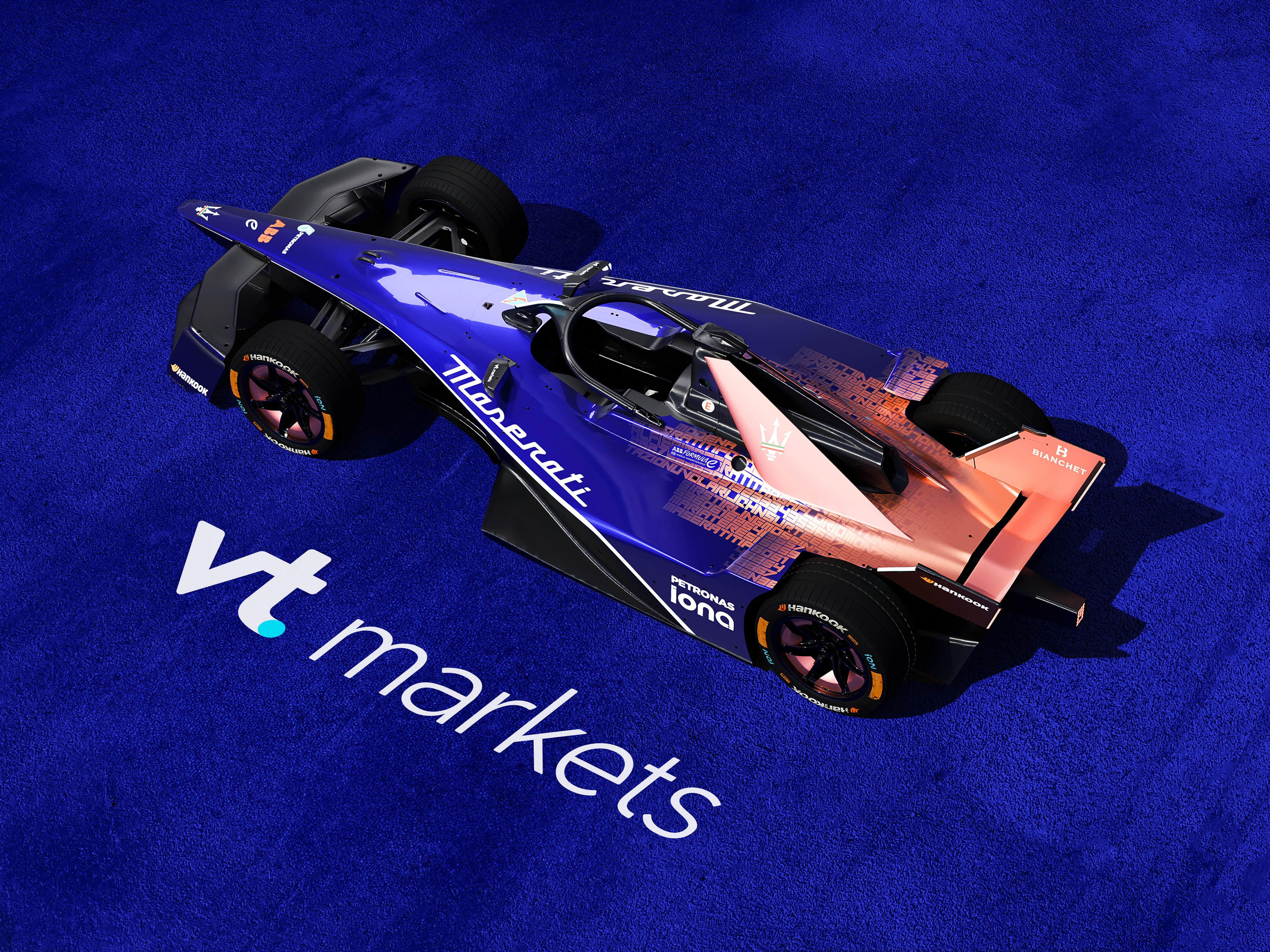
Building on Success: VT Markets and Maserati MSG Racing

Ready to Accelerate to New Heights in Season 11

SYDNEY, AUSTRALIA – 5 December 2024– As the FIA Formula E World Championship enters a thrilling new chapter, VT Markets is excited to continue its partnership with Maserati MSG Racing for Season 11, set to kick off in São Paulo on 7 December 2024. After a memorable Season 10, we are ready to push forward with even greater ambition as we join Maserati MSG Racing for a brand-new season ahead.

A Winning Partnership, Continuing into Season 11

After a remarkable Season 10 which saw the team take a landmark victory at the inaugural E-Prix in Tokyo, VT Markets is proud to continue supporting the team in their quest for even greater success. The collaboration between two industry giants—the dynamic world of Formula E and the innovative financial services of VT Markets—has proven to be an extraordinary force.

The Road Ahead

Season 11 promises to take us even further with the arrival of Stoffel Vandoorne and Jake Hughes to the team for the 2024/25 Formula E season. Together, Stoffel and Jake will face a critical season ahead, with the debut of the Gen3 Evo car and 17 action-packed races on the calendar. We are thrilled to have these exceptional drivers representing VT Markets and Maserati MSG Racing in the 2024/25 Formula E campaign.

This season will see our brand proudly featured across the Maserati MSG Racing Gen3 Evo cars, driver suits, and team gear, reinforcing our belief that motorsport and finance share the same core values of precision, performance, and opportunity.

Season 11 will feature a record-breaking 17 races, starting with the season opener in São Paulo, Brazil on 7 December 2024. From there, the team will race around the world, with VT Markets by their side, supporting the team’s pursuit of victory and excellence.

The shared beliefs in innovation, performance, and sustainability continue to fuel this partnership. Just as Maserati MSG Racing has pushed the boundaries of motorsport with cutting-edge technology and top-tier performance, VT Markets has redefined online trading, making it more accessible, efficient, and user-centric.

In Their Words

Dandelyn Koh, Global Brand and PR Lead shares: “Season 11 marks a pivotal moment in our partnership with Maserati MSG Racing. After an incredibly successful Season 10, we’re thrilled to continue our journey together, driven by our shared values of excellence and innovation. As we look to the future, we are excited to see where this partnership can take us—not just on the track, but in the world of finance.”

Cyril Blais, Team Principal, Maserati MSG Racing: “We are delighted to continue our partnership with VT Markets into Season 11. Our partners are an integral part of our family and they play a critical role in our journey. Innovation is at the heart of what we do as a racing team, and so to attract like-minded partners, who share and believe in our mission, is essential for our continued success as a racing team. Coming from the fast-paced world of finance, VT Markets fully understands our relentless pursuit of performance excellence in Formula E, and our shared passion for technical innovation will make for a dynamic, exciting, and hopefully rewarding journey together in Season 11 and beyond.”

About VT Markets

VT Markets is a regulated multi-asset broker with a presence in over 160 countries as of today. It has earned numerous international accolades including Best Online Trading and Fastest Growing Broker. In line with its mission to make trading accessible to all, VT Markets offers comprehensive access to over 1,000 financial instruments and clients benefit from a seamless trading experience via its award-winning mobile application.

For more information, please visit the official VT Markets website or email us at info@vtmarkets.com. Alternatively, follow VT Markets on Facebook, Instagram, or LinkedIn.

For media enquiries and sponsorship opportunities, please email media@vtmarkets.com, or contact:

Dandelyn Koh

Global Brand & PR Lead

dandelyn.koh@vtmarkets.com 

Brenda Wong

Assistant Manager, Global PR & Communications
brenda.wong@vtmarkets.com

Maserati MSG Racing
 
Maserati MSG Racing is one of the founding teams of the FIA Formula E World Championship and in December 2013, became the first manufacturer to join motorsport’s premier fully-electric category. As one of only a handful of constant participants since the series’ inaugural 2014/15 season, MSG Racing has moved from strength to strength and tasted vice World Championship success in 2021 before completing its most successful season to date in 2022, finishing the campaign as the vice World Teams’ Champions.

Led by Team Principal, Cyril Blais, the Monégasque marque is at the forefront of sustainability, EDI, technical innovation, and excellence. For further information, visit our website. For media hub access and rights-free content, please register here.

Maserati MSG Racing Media Contact:
Liz Brooks – Communications Director

lbrooks@monacosports.com
Tel. +44 7887 846177

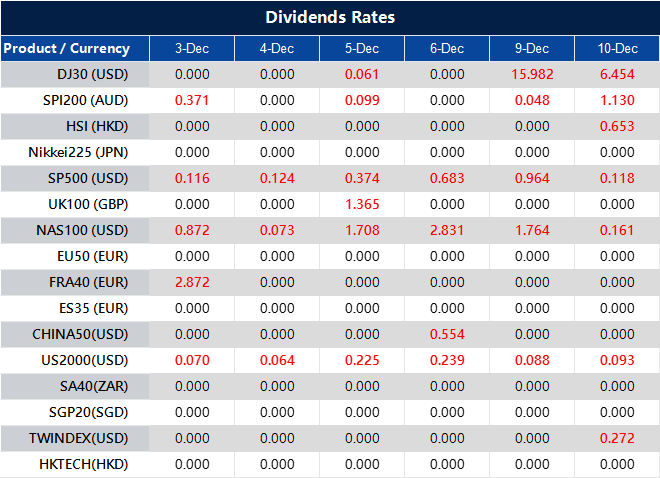
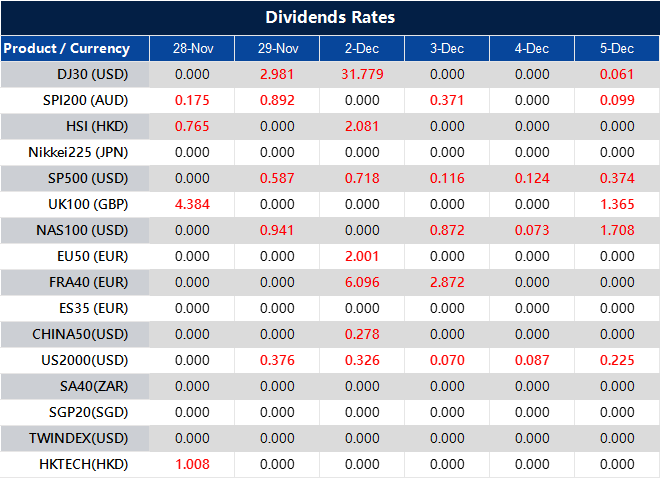
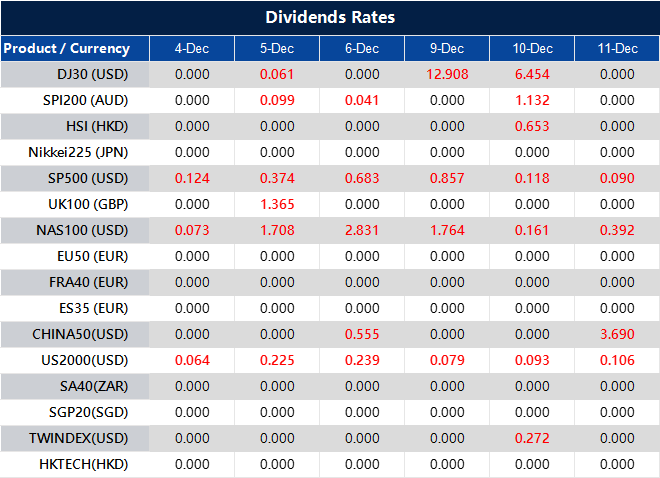
Dividend Adjustment Notice – Dec 04,2024

Dear Client,

Please note that the dividends of the following products will be adjusted accordingly. Index dividends will be executed separately through a balance statement directly to your trading account, and the comment will be in the following format “Div & Product Name & Net Volume ”.

Please refer to the table below for more details:

The above data is for reference only, please refer to the MT4/MT5 software for specific data.

If you’d like more information, please don’t hesitate to contact info@vtmarkets.com.

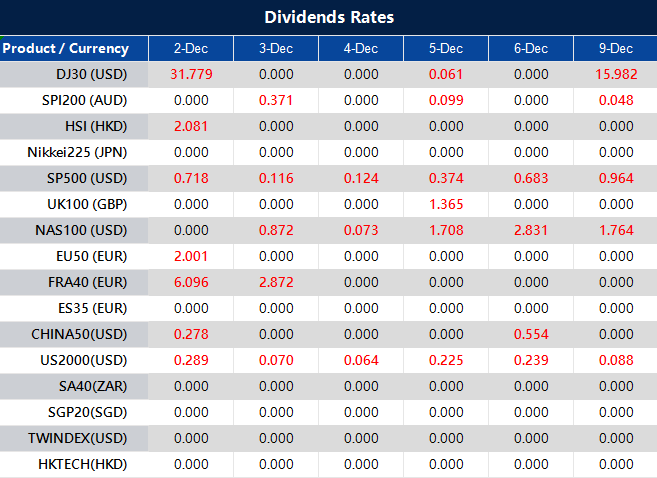
Dividend Adjustment Notice – Dec 03,2024

Dear Client,

Please note that the dividends of the following products will be adjusted accordingly. Index dividends will be executed separately through a balance statement directly to your trading account, and the comment will be in the following format “Div & Product Name & Net Volume ”.

Please refer to the table below for more details:

The above data is for reference only, please refer to the MT4/MT5 software for specific data.

If you’d like more information, please don’t hesitate to contact info@vtmarkets.com.

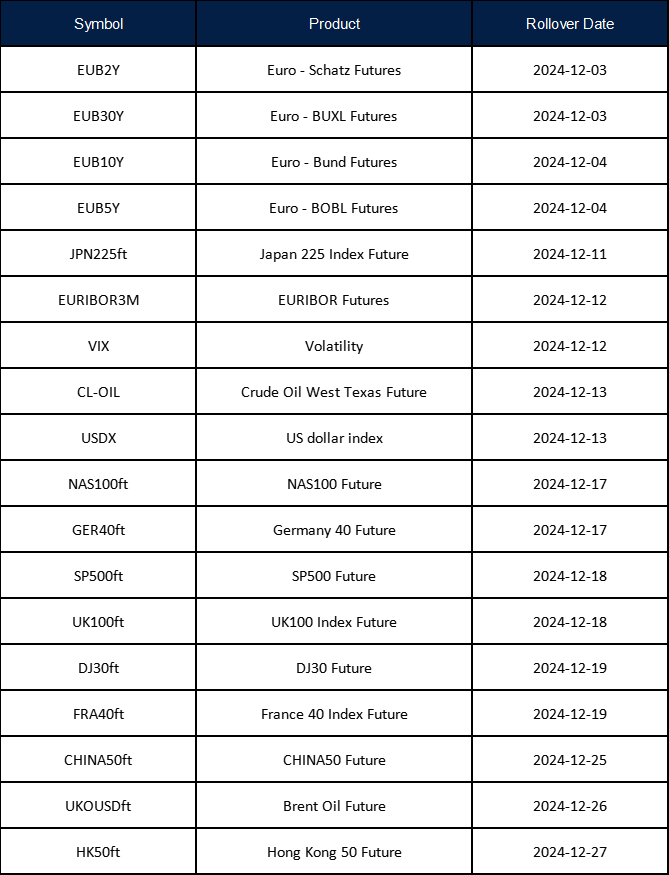
December Futures Rollover Announcement – Dec 03, 2024

Dear Client,

New contracts will automatically be rolled over as follows:

Please note:
• The rollover will be automatic, and any existing open positions will remain open.

• Positions that are open on the expiration date will be adjusted via a rollover charge or credit to reflect the price difference between the expiring and new contracts.

• To avoid CFD rollovers, clients can choose to close any open CFD positions prior to the expiration date.

• Please ensure that all take-profit and stop-loss settings are adjusted before the rollover occurs.

• All internal transfers for accounts under the same name will be prohibited during the first and last 30 minutes of the trading hours on the rollover dates.

If you’d like more information, please don’t hesitate to contact info@vtmarkets.com.

Trading Risk Management Tools & Strategies

Essential Trading Risk Management Tools & Strategies for Traders

In this article, discover the types of trading risks, what they are, how they impact your trades, and how effective risk management tools and strategies can help you mitigate potential losses and enhance your trading strategy.

What is Risk Management?

Risk management is the process of identifying, assessing, and controlling potential threats to your financial assets. In trading, it’s a crucial practice that ensures no single event or market downturn can jeopardise your capital. Effective trading risk management creates a buffer between traders and the unpredictable nature of financial markets, which is essential for long-term success and stability.

What is Risk Management in Trading?

Risk management in trading refers to the strategies and tools designed to minimise losses while maximising gains. By setting predefined rules for entering and exiting trades, traders can maintain control over their portfolios, regardless of market volatility. For example, a trader using stop-loss orders to cap potential losses ensures they don’t overexpose themselves to market risks. Key elements of risk management in trading include understanding market volatility, using risk-reward ratios, and diversifying investments to spread exposure.

The Importance of Trading Risk Management

Implementing trading risk management strategies is essential for preserving your financial stability and emotional well-being as a trader. Without effective risk management, even the most profitable strategies can fail due to unexpected market events.

Capital Preservation: Safeguarding your capital ensures you can continue trading, even during losing streaks.

Long-term Sustainability: Traders who effectively manage risk can withstand market downturns and capitalise on favourable opportunities later.

Emotional Discipline: Clear rules in trading and risk management prevent impulsive decisions driven by fear or greed, helping traders stay focused on their long-term goals.

Types of Trading Risk Management Tools

Understanding each type of trading risk management tool helps traders manage risks effectively, safeguard capital, and make informed decisions in volatile markets. Each tool offers unique benefits, helping traders stay disciplined and minimise exposure to risks.

1. Stop-loss Orders

A stop-loss order automatically closes a trade when the price reaches a predetermined level, limiting potential losses. This tool is essential for controlling risk in volatile markets.

Example: A trader might set a stop-loss 30 pips below their entry point in a forex trade to prevent substantial losses if the market moves unfavourably. It ensures traders do not have to constantly monitor positions, thus protecting their capital from significant downturns.

2. Position Sizing Calculators

Position sizing calculators help traders determine the optimal trade size based on their risk tolerance, stop-loss level, and overall account size.

Position Size = Account Risk ÷ (Stop Loss × Tick Value)

This tool ensures traders avoid overexposure by calculating the right size of each trade, ensuring that no single position risks too much of their account balance.

Example: If a trader wants to risk 2% of a $10,000 account on a trade with a 50-pip stop loss, the calculator will help determine the correct position size to adhere to risk management rules.

3. Take-profit Orders

Take-profit orders automatically close a trade once a predefined profit level is reached. This tool locks in gains without requiring traders to monitor the market constantly.

Example: A trader sets a take-profit order at $1,000 profit from a long gold position. When the price hits that level, the position is automatically closed, securing the profits even if the trader is away from their desk.

4. Diversification

Diversification involves spreading trading capital across various instruments or asset classes, reducing the risk of a large loss from a single trade or market. A diversified portfolio might include forex pairs, stocks, commodities, or even cryptocurrency. By distributing investments, traders can mitigate risks, especially when one market is highly volatile. 

Example: A trader might invest in both stock indices and commodities to mitigate risks from market corrections or sector-specific downturns.

5. Trailing Stops

A trailing stop adjusts the stop-loss level as the market moves in the trader’s favour, locking in profits while leaving room for further gains.

Example: In a rising stock market, a trader might set a trailing stop 5% below the highest price achieved. This ensures profits are captured while protecting against sudden reversals.

6. Hedging

Hedging is a risk management strategy where traders take positions in correlated assets to offset potential losses in their primary positions. 

Example: A trader long on EUR/USD may hedge their position by taking a short position in GBP/USD, as both currencies often move similarly. Hedging can reduce risk exposure, although it may also limit potential profits.

7. Risk-Reward Ratio

The risk-reward ratio helps traders evaluate the potential profit versus the potential loss in any given trade. A favourable risk-reward ratio allows traders to ensure their potential reward justifies the risk they are taking.

Example: A common rule is to aim for a 1:2 risk-reward ratio, meaning a trader risks $100 to potentially make $200. This tool helps traders evaluate whether a trade is worth entering based on the potential reward compared to the possible loss.

8. Guaranteed Stop-loss Orders (GSLOs)

A guaranteed stop-loss order (GSLO) ensures that a position is closed at the exact price level specified, even in the case of extreme market fluctuations or slippage.

Example: If a trader sets a GSLO at 1.2000 for GBP/USD and the market opens at 1.1900 due to overnight volatility, the GSLO ensures the position is closed at 1.2000, eliminating the risk of slippage. GSLOs often come with an additional fee but provide a higher level of protection, particularly during volatile periods.

8 Types of Risk

Traders face multiple types of risks in the financial markets. Understanding these risks and employing tailored solutions is vital.

Market Risk: Market risk is the potential loss from adverse price movements across assets like stocks, forex, or commodities. For example, a sudden market dip could result from a poor earnings report or unexpected central bank announcements. Effective trading risk management helps manage this risk by setting predefined entry and exit points.

Liquidity Risk: Liquidity risk occurs when a trader can’t execute a trade at the desired price due to a lack of market participants. This is more common with thinly traded assets or during off-peak hours. Risk management trading tools, like position sizing and stop-loss orders, help reduce this risk by setting appropriate trading limits.

Leverage Risk: Leverage risk arises when traders use borrowed funds to increase market exposure. While leverage amplifies potential gains, it also magnifies losses. Risk management trading helps limit this risk by using lower leverage ratios and tools like stop-loss orders to protect capital.

Credit Risk: Credit risk is the chance that a counterparty, such as a broker, fails to meet its financial obligations. For example, if a broker defaults, traders may face difficulty closing positions. Using trading risk management tools like GSLOs and working with regulated brokers can help mitigate credit risk.

Operational Risk: Operational risk involves losses due to technical issues, like platform outages or human error. Traders can manage this risk by using reliable platforms and maintaining a stable internet connection during critical trading periods.

Regulatory Risk: Regulatory risk is the uncertainty created by changes in laws or trading regulations. These shifts can disrupt trading strategies, such as limits on leverage or trading restrictions. Staying informed about regulatory updates is essential for effective trading and risk management.

Political Risk: Political risk arises from geopolitical events like elections, trade wars, or policy changes. For example, the Brexit referendum caused GBP/USD volatility. Diversification and hedging can help manage political risk by reducing exposure to one event or region.

Emotional Risk: Emotional risk stems from psychological factors like fear or greed, causing poor trading decisions. Risk management in trading involves setting clear rules, sticking to plans, and using tools like stop-loss orders to avoid emotional decisions that can lead to significant losses.

Types of Risk Potential Solution
Market RiskUse stop-loss orders to cap potential losses and diversify your portfolio across different assets.
Liquidity RiskFocus on trading highly liquid assets such as major forex pairs or blue-chip stocks.
Leverage RiskUse leverage conservatively and align it with your risk tolerance and account size.
Credit RiskChoose brokers with strong regulatory oversight and segregated client accounts.
Operational RiskUse reliable trading platforms, maintain backup internet connections, and double-check order details before execution.
Regulatory RiskStay updated on regulatory developments and diversify trading instruments to reduce exposure to specific markets.
Political RiskMonitor geopolitical news and hedge against potential risks using safe-haven assets like gold.
Emotional RiskStick to a trading plan, use automated tools like stop-losses, and maintain a trading journal to improve discipline.

Conclusion

Trading risk management is not just a protective measure; it is the foundation of a sustainable trading journey. By using tools like stop-loss orders, diversification, and position sizing, traders can navigate volatile markets with confidence and discipline.

Understanding and applying risk management strategies ensures that even when losses occur, they are manageable and do not jeopardise your trading goals. Every trade becomes an opportunity to grow within a controlled framework, safeguarding your financial future.

How to Start Your Trading Journey with VT Markets

Start trading with a reliable broker like VT Markets can set you up for success. VT Markets provides access to advanced trading platforms such as MT4 and MT5, equipped with built-in risk management tools like stop-loss and take-profit orders.

Whether you’re trading forex, indices, or commodities, VT Markets offers resources and educational materials to help you master trading and risk management. With transparent pricing, competitive spreads, and customer support, VT Markets ensures a seamless and professional trading experience.

If you’re not ready to dive into the live market yet, open a demo account with VT Markets. Safeguard your capital and practice trading with confidence in a risk-free environment.

Frequently Asked Questions (FAQs)

1. What is risk management in trading?

Risk management in trading involves using techniques and strategies to minimize potential losses while maximizing profits. It includes methods such as setting stop-loss orders, diversifying investments, and using proper position sizing to protect your capital.

2. What are the best risk management tools for traders?

The best risk management tools include:

  • Stop-loss orders
  • Position sizing calculators
  • Take-profit orders
  • Diversification
  • Trailing stops
  • Hedging
  • Risk-reward ratio
  • Guaranteed stop-loss orders (GSLOs)

These tools help control risk and maintain a balanced trading approach.

3. How does leverage impact risk management in trading?

Leverage amplifies both potential profits and losses. Using high leverage increases the risk of substantial losses, especially in volatile markets. It’s essential to use leverage carefully and ensure proper risk management strategies are in place to mitigate its effects.

4. What is a risk-reward ratio?

The risk-reward ratio compares the potential risk of a trade with the potential reward. A common rule is to aim for a risk-reward ratio of 1:2, meaning you’re willing to risk $1 to potentially make $2. Setting a favorable risk-reward ratio can help improve long-term profitability.

5. How can I use stop-loss orders effectively?

A stop-loss order is one of the most powerful tools in risk management trading. It automatically closes a position when the price hits a predetermined level, preventing further losses. Use it to protect against large market swings and to ensure that losses do not exceed your risk tolerance.

6. How do I set a stop-loss order?

To set a stop-loss order, choose a price level at which you want your trade to close if the market moves against you. This can be based on a specific percentage of loss you’re willing to tolerate or technical levels, like support or resistance points.

7. Can I manage risk in volatile markets?

Yes, managing risk in volatile markets is critical. Use tight stop-loss orders, reduce leverage, and stay informed on market-moving news. Additionally, diversifying your trades and employing risk-reward strategies can help you navigate highly volatile conditions.

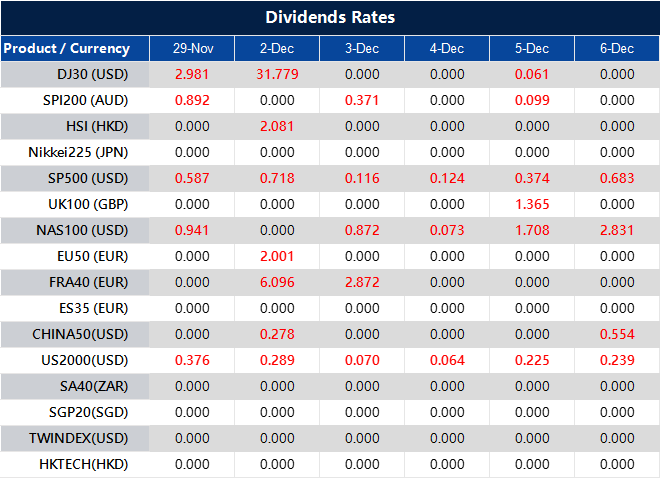
Dividend Adjustment Notice – Dec 2,2024

Dear Client,

Please note that the dividends of the following products will be adjusted accordingly. Index dividends will be executed separately through a balance statement directly to your trading account, and the comment will be in the following format “Div & Product Name & Net Volume ”.

Please refer to the table below for more details:

The above data is for reference only, please refer to the MT4/MT5 software for specific data.

If you’d like more information, please don’t hesitate to contact info@vtmarkets.com.

Dividend Adjustment Notice – Nov 29,2024

Dear Client,

Please note that the dividends of the following products will be adjusted accordingly. Index dividends will be executed separately through a balance statement directly to your trading account, and the comment will be in the following format “Div & Product Name & Net Volume ”.

Please refer to the table below for more details:

The above data is for reference only, please refer to the MT4/MT5 software for specific data.

If you’d like more information, please don’t hesitate to contact info@vtmarkets.com.

Notification of Server Upgrade and Product Adjustments – Nov 29,2024

Dear Client,

As part of our commitment to provide the most reliable service to our clients, there will be server maintenance this weekend and product adjustment on this Friday.

1. Product time adjustment: November 29, 2024 (Friday)
USOUSD: Close early at 21:45 (GMT+2)
CL-OIL: Close early at 21:45 (GMT+2)

2. Server Maintenance Hours:
November 30th, 2024 (Saturday) 00:00 – 12:00 (GMT+2)

Please note that the following aspects might be affected during the maintenance:
1. During the maintenance hours, Client portal and VT Markets App will be unavailable, including managing trades, Deposit/Withdrawal and all the other functions will be limited.

2. During the maintenance hours, the price quote and trading management will be temporarily disabled during the maintenance. You will not be able to open new positions, close open positions, or make any adjustments to the trades.

3. There might be a gap between the original price and the price after maintenance. The gaps between Pending Orders, Stop Loss and Take Profit will be filled at the market price once the maintenance is completed. If you don’t want to hold any open positions during the maintenance, it is suggested to close the position in advance.

4. Following the maintenance, it is important to note that the latest version will be 1420. If your MT4 version is below 1420, it is suggested that you download the latest version on official website by navigating to “Trading” → “MetaTrader 4”.

5. Following the maintenance, it is important to note that the latest version will be 4410. If your MT5 version is below 4410, it is suggested that you download the latest version on official website by navigating to “Trading” → “MetaTrader 5”.

Check your MT4 &MT5software version with the following steps:
※ PC: Open the MT4/5 > Help > About;
※ Android: Open the MT4/5 > About;
※ iOS: Open the MT4/5 > Settings > Settings.
Please refer to MT4/MT5 for the latest update on the completion and market opening time.

Thank you for your patience and understanding regarding this important initiative.

If you’d like more information, please don’t hesitate to contact info@vtmarkets.com.

Dividend Adjustment Notice – Nov 28,2024

Dear Client,

Please note that the dividends of the following products will be adjusted accordingly. Index dividends will be executed separately through a balance statement directly to your trading account, and the comment will be in the following format “Div & Product Name & Net Volume ”.

Please refer to the table below for more details:

The above data is for reference only, please refer to the MT4/MT5 software for specific data.

If you’d like more information, please don’t hesitate to contact info@vtmarkets.com.

Back To Top
server

Bonjour 👋

Comment puis-je vous aider ?

Discutez immédiatement avec notre équipe

Chat en direct

Démarrez une conversation en direct via...

  • Telegram
    hold En attente
  • Bientôt disponible...

Bonjour 👋

Comment puis-je vous aider ?

Telegram

Scannez le code QR avec votre smartphone pour démarrer un chat avec nous, ou cliquez ici.

Vous n’avez pas l’application ou la version de bureau de Telegram installée ? Utilisez plutôt Telegram Web .

QR code